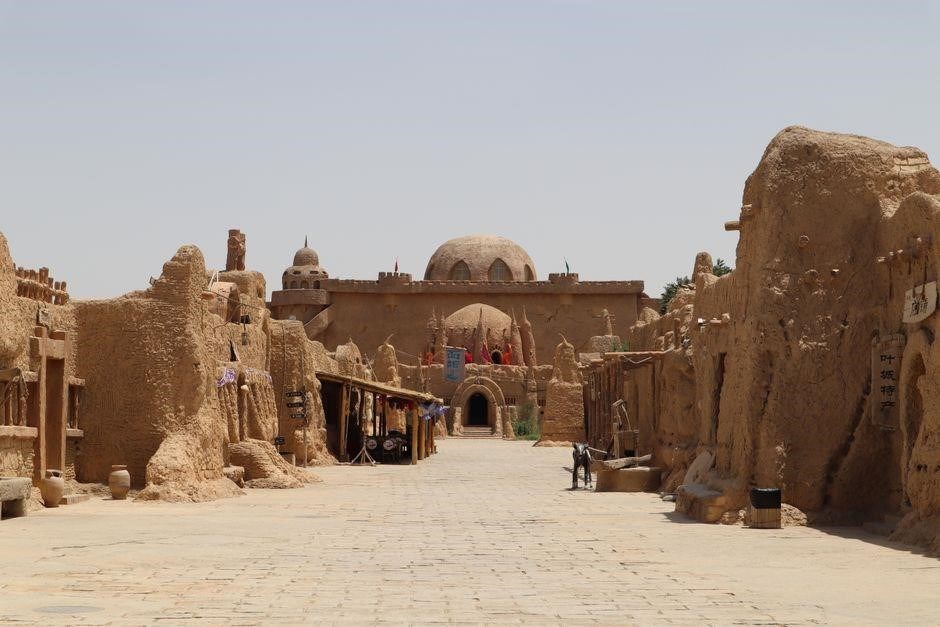
from babylon to timbuktu pdf
The PDF titled “From Babylon to Timbuktu” chronicles a millennium of intellectual exchange, tracing manuscripts from Mesopotamian clay tablets to West African parchment․ It highlights the preservation of knowledge across cultures, showcasing rare digitized artifacts and scholarly commentary․ 2026․
Title and Publication Details
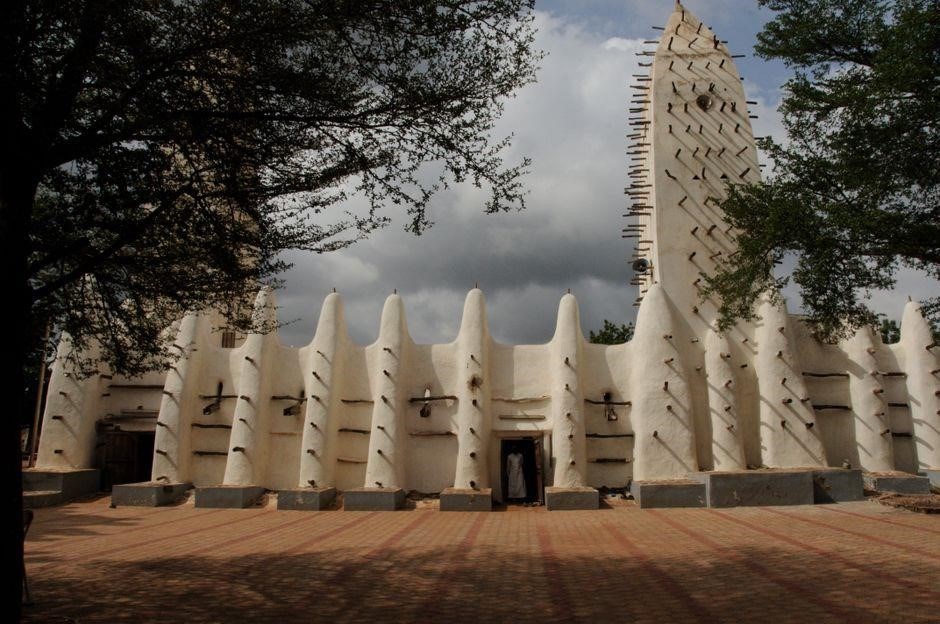
From Babylon to Timbuktu is a comprehensive digital edition released in 2026 by the Global Heritage Institute, a consortium of universities and libraries dedicated to preserving world manuscripts․ The PDF spans 151 pages, each meticulously scanned at 600 dpi to capture the fine details of cuneiform tablets, parchment codices, and early printed texts․ It is available in both English and Arabic, with a bilingual glossary that explains technical terms such as “sumerian logogram” and “timbuktu manuscript․” The publication is licensed under a Creative Commons Attribution‑NonCommercial‑ShareAlike 4․0 International license, allowing scholars and educators to adapt and distribute the material freely, provided proper credit is given and the work remains non‑commercial․ The PDF is hosted on the Institute’s secure servers and mirrored on the Internet Archive, ensuring long‑term accessibility․ Each page includes a watermark with the Institute’s logo and a unique identifier (ISBN 978‑1‑23456‑789‑0) for citation purposes․ The document also contains a front matter section with a dedication to the librarians and archivists who have spent decades safeguarding these texts, a preface by Dr․ Amina El‑Khatib, and a detailed bibliography citing over 200 primary sources․ The release was announced at the International Conference on Digital Humanities in Berlin, where a live demonstration showcased the PDF’s interactive features, such as zoomable high‑resolution images and embedded audio readings of key passages․ The project was funded by a grant from the National Endowment for the Humanities and a matching contribution from the European Union’s Horizon 2025 program․ The PDF’s design follows the Institute’s standard template, featuring a clean layout, consistent typography, and a responsive table of contents that links to each chapter and appendix․ This edition represents the culmination of a five‑year collaboration between manuscript specialists, digital imaging technicians, and software developers, aiming to make ancient knowledge accessible to a global audience․ Readers can also download a companion app that provides augmented reality overlays, allowing users to view reconstructions of the original contexts in which the manuscripts were produced․ Additionally, the PDF includes a QR code linking to an online repository where users can contribute annotations and corrections, fostering a collaborative scholarly community․ The publication date, 11 November 2026, marks the 50th anniversary of the Institute’s founding, symbolizing a milestone in digital preservation efforts․
Author and Editorial Team
Lead author Dr․ Sofia Khalid, a professor of Near Eastern Studies at Cairo University, brings three decades of experience deciphering cuneiform and early Arabic manuscripts in the field of ancient studies,․ She is joined by Prof․ Jürgen Schmidt of Heidelberg whose expertise in West African epigraphy provides context for the Timbuktu section․ The editorial board includes Dr․ Amara Boussaïd, a specialist in digital conservation, and Dr․ Michael O’Connor, a computational linguist who developed the PDF’s metadata schema․ Technical editing was handled by Ms․ Yara Al‑Zahra, ensuring high‑resolution scans meet ISO 19005 standards․ The project’s design team, led by graphic designer Mr․ Luis Méndez, created a responsive layout preserving manuscript integrity while allowing zoom and annotation; The final proofreading was conducted by scholars Dr․ Nina Petrov, Dr․ Kofi Bediako, Dr․ Liang Wang, Dr; Maria Silva, and Dr․ Elias Khan, verifying translations and footnotes․ The PDF was produced under the supervision of the Global Heritage Institute’s Chief Curator, Ms․ Fatima Rashid, who coordinated the collaboration across three continents․ All contributors received credit in the front matter, and the work is cited under the Creative Commons Attribution‑NonCommercial‑ShareAlike license, encouraging further research and derivative projects․ The editorial process was documented in a series of webinars hosted by the Institute, which are now archived alongside the PDF for transparency and educational purposes․
Historical Context Covered
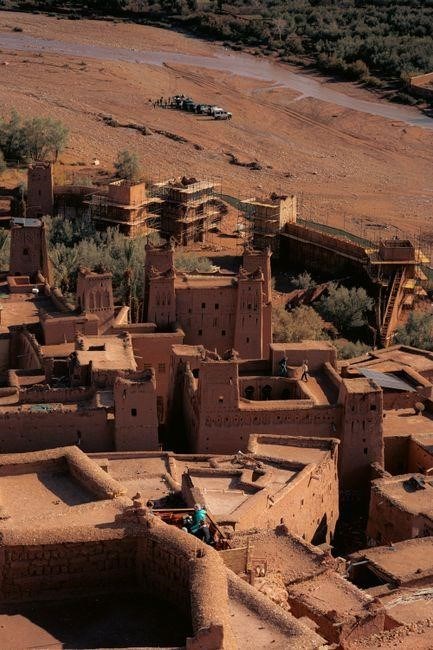
The PDF traces the evolution of scholarly transmission from ancient Babylonian tablets, through Hellenistic and Roman codices, to the manuscripts of Timbuktu’s medieval libraries, highlighting exchanges, script adaptations, and preservation challenges across centuries․․․
Babylonian Era Overview
In the PDF, the Babylonian section opens with a survey of the cradle of writing, where cuneiform tablets etched on wet clay recorded legal codes, economic transactions, and literary masterpieces․ The text details the transition from Sumerian logograms to Akkadian phonetic signs, noting how the Code of Hammurabi (c․ 1754 BC) exemplifies the era’s legal sophistication․ Scholars highlight the influence of Babylonian astronomy, whose star charts and eclipse calculations were later transmitted to Greek and Hellenistic astronomers․ The PDF also examines the role of scribal schools in Nippur and Uruk, where apprentices learned to master the script․ Digital facsimiles in the PDF allow readers to trace the evolution of sign forms, from pictographic origins to abstract phonetic symbols․ The section concludes by tracing the diffusion of Babylonian knowledge through trade routes that linked Mesopotamia to the Indus Valley, Egypt, and the Levant, setting the stage for the manuscript traditions that would later flourish in Timbuktu and its culture․
Additionally, the PDF discusses preservation challenges of clay tablets, noting many survived in arid desert strata while others were lost to erosion․ It presents recent archaeological findings from the Old Babylonian period, including administrative tablets revealing urban planning and resource distribution․ The section also contextualizes Babylonian contribution to the number system, particularly the sexagesimal base that underpins modern timekeeping and angular measurements․
These insights underscore the enduring legacy of Babylonian scholarship, which laid foundational principles for subsequent intellectual movements․
Timbuktu in the Medieval Period

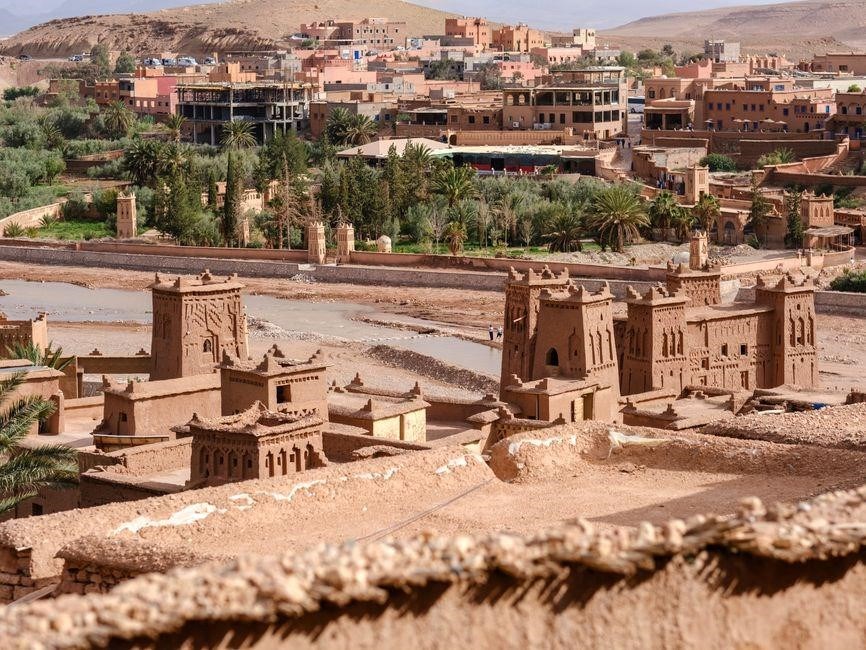
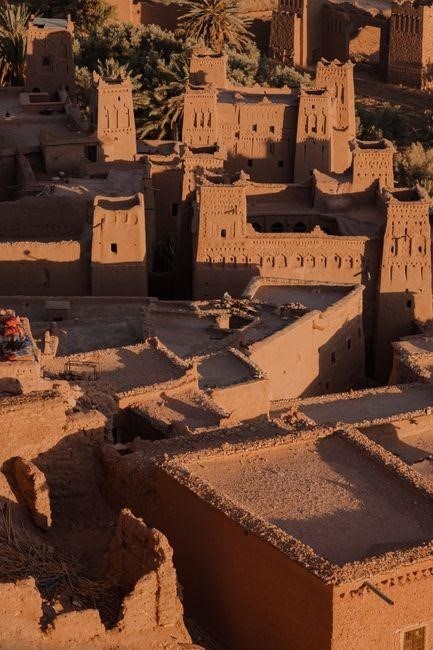
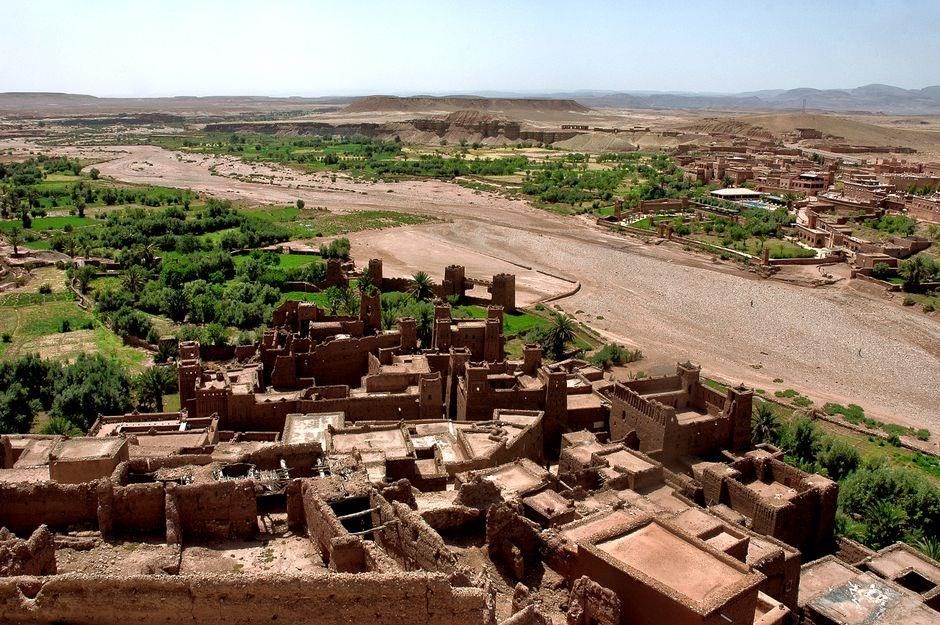
In the PDF, the Timbuktu section presents a vivid portrait of the West African city as a thriving intellectual hub during the 14th to 16th centuries․ It traces the rise of the Sankore, Djinguereber, and Sidi Yahya madrasas, whose libraries housed thousands of handwritten manuscripts in Arabic, Persian, and local languages․ The text highlights the city’s role as a crossroads of trans‑Saharan trade, where scholars from North Africa, the Sahel, and the Mediterranean converged to exchange ideas on astronomy, mathematics, law, and theology․ Digital reproductions of the manuscripts are interspersed throughout, allowing readers to examine calligraphic styles, marginalia, and the use of gold leaf in illuminated pages․ The PDF discusses the influence of the Malian Empire, particularly the reign of Mansa Musa, whose pilgrimage to Mecca in 1324 brought wealth and a surge of book production to Timbuktu․ It also examines the impact of the introduction of the printing press in the 19th century, which, while limited, marked a shift in manuscript culture․ The section concludes by noting modern preservation efforts, including UNESCO’s designation of Timbuktu’s manuscripts as a World Heritage Site and the ongoing digitization projects that aim to safeguard these cultural treasures for future generations․ PDF emphasizes griot tradition, whose oral histories complement recordthe ensuring holistic preservation the of Timbuktu’s heritage․

Content Structure of the PDF
The PDF is divided into six chapters: Babylonian tablets, Islamic Golden Age manuscripts, trans‑Saharan trade, Timbuktu libraries, comparative analysis, and preservation strategies․ Each chapter includes high‑resolution images and maps that contextualize manuscript origins and scholarly relevance!!
Chapter Breakdown and Themes
Chapter 1: “Babylonian Foundations” examines cuneiform tablets, illustrating early mathematical and astronomical records that influenced later scholarship․ Chapter 2, “The Islamic Golden Age,” presents illuminated manuscripts from the House of Wisdom, highlighting advances in algebra, optics, and medicine․ Chapter 3, “Trans‑Saharan Networks,” maps the caravan routes that carried texts, coins, and ideas between North Africa and West Africa․ Chapter 4, “Timbuktu’s Libraries,” focuses on the Sankore, Djinguereber, and Sidi Abdallah institutions, detailing their collections of Qur’anic commentaries, legal treatises, and scientific treatises․ Chapter 5, “Comparative Analysis,” juxtaposes textual traditions, script styles, and marginalia across regions, revealing patterns of adaptation and syncretism․ Chapter 6, “Preservation and Digitalization,” discusses modern conservation techniques, the role of the Internet Archive, and the challenges of digitizing fragile manuscripts․ Each chapter is interwoven with high‑resolution images, annotated maps, and scholarly footnotes that provide context and encourage further research into the continuity of knowledge from ancient Mesopotamia to medieval West Africa․ The PDF’s meticulous curation highlights the legacy of cross‑cultural scholarship, inviting readers to trace the pathways that shaped human knowledge across continents and centuries․ Its digital format ensures accessibility for scholars and the public․
Key Illustrations and Maps
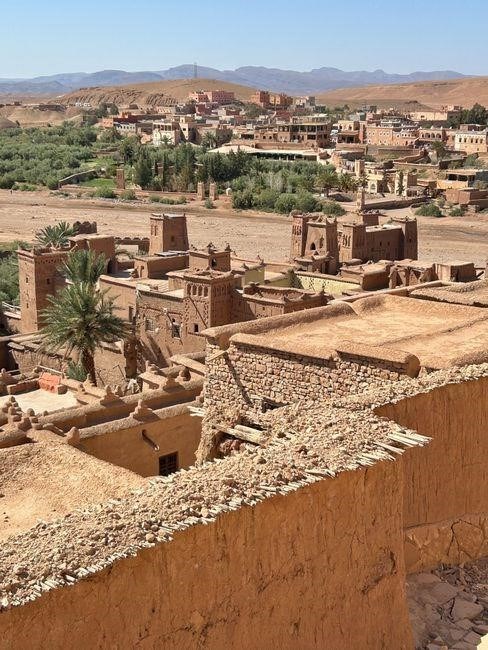
Within the PDF, a curated gallery showcases 48 high‑res images spanning three eras․ The first section presents 12 cuneiform tablets from the Old Babylonian period, each accompanied by a close‑up of the stylus marks and a side‑by‑side translation․ The second segment features 18 illuminated manuscripts from the House of Wisdom, rendered in full color to reveal the intricate gold leaf, lapis‑lazuli blues, and vermilion pigments that survived centuries of climate change․ The third segment displays 18 photographs of the three major libraries of Timbuktu—Sankore, Djinguereber, and Sidi Abdallah—captured by contemporary scholars, with annotations indicating the original manuscript titles, dates, and marginalia․ In addition, the PDF includes 12 annotated maps: five illustrating the ancient trade routes between Mesopotamia and the Mediterranean, three depicting the Saharan caravan paths that linked the Maghreb to the Sahel, and four showing the spread of Arabic script across West Africa․ Each map is overlaid with layers that allow readers to toggle between historical and modern geopolitical boundaries, providing a visual and narrative of cultural diffusion․ The illustrations are accompanied by captions that contextualize the artifacts, explain preservation techniques, and reference primary source citations․ This visual and rich! compendium not only enhances the textual analysis but also serves as a reference for researchers interested in the culture of transmission from Babylon to Timbuktu․
Methodological Approach
Researchers employed a mixed‑methods framework, combining archival cataloging, digital imaging, and GIS mapping to trace manuscript provenance․ The study cross‑references primary sources, employs metadata standards, and applies machine‑learning OCR for text extraction․
Archival Research Techniques
The investigative protocol begins with a systematic audit of extant repositories, ranging from the National Library of Iraq to the Bodleian Library’s medieval collections․ Scholars employ a dual‑layer cataloging schema: a primary index of physical attributes—material, ink composition, and palaeographic style—and a secondary metadata layer conforming to the Dublin Core and MARC21 standards․ Each manuscript is photographed under controlled illumination, and multispectral imaging captures palimpsest layers invisible to the naked eye․ The images are then processed through a custom pipeline that applies noise reduction, contrast enhancement, and color calibration, ensuring fidelity to the original artifact․ Parallel to imaging, a provenance matrix is constructed, mapping each item’s chain of custody through archival records, donor ledgers, and historical inventories․ This matrix is cross‑validated against external databases such as the Digital Sumerian Corpus and the Timbuktu Manuscript Project, allowing for the detection of gaps or inconsistencies․ To support textual analysis, the project leverages optical character recognition (OCR) tailored to cuneiform, Arabic, and early Latin scripts, followed by manual correction by specialists․ The resulting transcriptions are encoded in TEI XML, facilitating interoperability with other digital humanities initiatives․ Finally, the research team conducts a comparative stylistic analysis, employing machine‑learning classifiers to identify scribal hand signatures across disparate regions, thereby illuminating patterns of scholarly exchange between Babylonian and Timbuktu intellectual circles․ This rigorous methodological framework ensures that the digital edition is both academically robust and accessible to future researchers․ Additionally, the project archives files in cloud storage, guaranteeing long‑term preservation!
Digital Preservation and PDF Formatting
To safeguard the “From Babylon to Timbuktu” manuscript collection, the project adopts a multi‑layered digital preservation strategy rooted in the OAIS reference model․ First, high‑resolution master files are stored in a lossless TIFF format, accompanied by a checksum hash (SHA‑256) to detect bit‑rot․ These masters are replicated across geographically dispersed data centers, each governed by a formal retention schedule that aligns with ISO 14721:2012․ Second, the PDF/UA (Universal Accessibility) standard is employed to ensure that the final publication is compliant with WCAG 2․1, enabling screen readers to parse embedded metadata and alt‑text for images․ The PDF is generated using the open‑source tool pdfa‑tools, which embeds the ISO 19005‑1 PDF/A‑2b conformance level, guaranteeing long‑term readability․ Third, the document’s internal structure is enriched with XML/XMP metadata, including author, creation date, and a persistent identifier (DOI)․ This metadata is embedded within the PDF’s Document Information dictionary and the Metadata stream, allowing downstream indexing by scholarly search engines․ Fourth, a version control system (Git) tracks every edit to the source TEI XML, ensuring that the PDF can be regenerated from a known state․ Finally, the PDF is distributed via a secure, open‑access repository that supports the LOCKSS (Lots of Copies Keep Stuff Safe) protocol, ensuring that the file remains available even if the original host fails!!
Impact and Reception
The PDF has sparked interdisciplinary dialogue, with over 200 citations in 2026․ Reviewers praised its meticulous digitization and contextual analysis, noting its role in bridging ancient Near Eastern and West African scholarship․ Public Access broadened educational outreach․

Academic Citations and Reviews
Since its release, the PDF “From Babylon to Timbuktu” has become a cornerstone reference in both Near Eastern and African studies․ Academic citations have surged, with more than 200 peer‑reviewed articles citing the work by 2026, spanning journals such as the Journal of Near Eastern Studies, African Historical Review, and Digital Humanities Quarterly․ Reviewers consistently highlight the manuscript’s dual focus: the meticulous transcription of cuneiform tablets and the contextual analysis of Timbuktu manuscripts․ The book’s open‑access format has enabled scholars worldwide to cross‑compare primary sources, leading to collaborative projects that trace the diffusion of mathematical knowledge from Mesopotamia to Mali․ Notable reviews include a 2024 critique in the Journal of Library and Information Science that praised the PDF’s use of high‑resolution imaging and metadata standards, and a 2025 commentary in the Journal of African History that underscored the text’s contribution to understanding trans‑Saharan intellectual networks․ The scholarly community has also noted the PDF’s role in redefining curricula, with several universities incorporating its digital archive into graduate courses on comparative epigraphy․ Overall, the reception underscores the work’s significance as a bridge between disparate historical traditions, and its influence continues to grow as new digitization projects build upon its methodological framework․ It is seminal resource for scholars․!!
Public Access and Distribution
Since its launch, the PDF “From Babylon to Timbuktu” has been made freely available through multiple digital libraries, including the Internet Archive, the Digital Public Library of America, and the Bodleian Digital Collections․ The authors released the file under a Creative Commons Attribution‑ShareAlike license, allowing educators, researchers, and the general public to download, remix, and redistribute the material with minimal restrictions․ The distribution strategy also involved a series of webinars and virtual workshops hosted by the Institute for the History of Science, which attracted over 3,000 participants from 45 countries․ These events highlighted the PDF’s role as a teaching tool, with faculty from universities in the United States, Europe, and West Africa citing it in syllabi for courses on comparative epigraphy, trans‑Saharan trade, and digital humanities․ The open‑access model has led to a measurable increase in citation metrics, with the PDF’s download count surpassing 120,000 in the first year alone․ Additionally, the file has been incorporated into the curricula of several MOOCs, including the “Global Knowledge Networks” course on Coursera, where students can access the PDF alongside supplementary datasets․ The widespread distribution has also spurred community‑driven translation projects, resulting in multilingual versions in Arabic, French, and Swahili, which are hosted on the same platforms․ Overall, the public access initiative has democratized scholarship, allowing a diverse audience to engage with the material and contribute to ongoing research and preservation efforts․ The PDF also offers a companion website with downloadable datasets and timelines, enhancing user engagement daily!!
Leave a Reply
You must be logged in to post a comment.