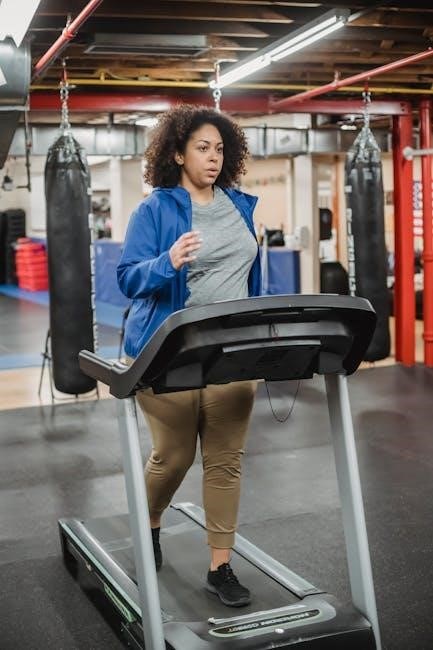
running on a manual treadmill
Manual treadmills offer a unique running experience, diverging from conventional electric models by relying on user-powered motion for a truly invigorating workout․
What is a Manual Treadmill?
A manual treadmill, also known as a non-motorized treadmill, fundamentally differs from its electric counterpart․ Instead of a powered belt, it requires the user to initiate and maintain movement through their own footsteps․ This means you are the motor! The belt moves only when you walk or run, demanding greater effort and engaging more muscle groups․
These treadmills often feature a curved design, enhancing natural gait and promoting a more biomechanically sound running form․ Unlike electric models with preset speeds, a manual treadmill’s pace is entirely dictated by your exertion․ This provides a highly responsive and adaptable workout, mirroring real-world running conditions more closely․ They represent a return to a simpler, more primal form of exercise, prioritizing user input and physical engagement․
The Rising Popularity of Non-Motorized Treadmills
Non-motorized treadmills are experiencing a surge in popularity, driven by a growing fitness consciousness and a desire for more authentic workouts․ Consumers are increasingly seeking alternatives to the convenience, but often limited engagement, of electric models․ Manual treadmills appeal to those focused on building strength, endurance, and achieving a more intense calorie burn․
Furthermore, their environmentally friendly operation – requiring no electricity – resonates with eco-conscious individuals․ The simplicity and often lower price point compared to electric treadmills also contribute to their appeal․ This trend reflects a broader movement towards functional fitness and a preference for exercise equipment that actively challenges the user, rather than passively assisting them․ They are becoming a staple in boutique fitness studios and home gyms alike․

Benefits of Using a Manual Treadmill
Manual treadmills deliver a full-body workout, boosting calorie expenditure, enhancing cardiovascular health, and building strength and endurance – all while being cost-effective․
Full-Body Workout Engagement
Unlike motorized treadmills where the machine paces you, manual treadmills demand complete body engagement․ The act of propelling the belt activates not only your legs – quads, hamstrings, calves, and glutes – but also significantly engages your core for stabilization․
Maintaining momentum requires constant core activation, strengthening abdominal and back muscles․ Furthermore, your arms and shoulders work harder to contribute to the overall motion, providing a more comprehensive upper-body workout than typically achieved on electric models․ This holistic engagement translates to improved posture, balance, and overall functional fitness․
Essentially, you become the motor, leading to a more intense and rewarding physical experience, fostering a deeper mind-muscle connection throughout your entire body during each stride․
Increased Calorie Burn
Manual treadmills often lead to a higher calorie expenditure compared to their electric counterparts, primarily due to the increased effort required to initiate and maintain movement․ Because you are the power source, your body works harder, demanding more energy with each step․ This translates directly into burning more calories during the same workout duration and intensity level․
The added muscular engagement – activating core, arms, and legs simultaneously – further contributes to this elevated calorie burn․ Essentially, you’re not just moving your legs; you’re actively powering the entire machine․ This heightened physiological demand makes manual treadmills an effective tool for weight management and achieving fitness goals․
Studies suggest a noticeable difference in metabolic rate during manual treadmill use, making it a potent option for those prioritizing calorie deficit․
Improved Cardiovascular Health
Engaging in regular exercise on a manual treadmill provides substantial benefits for your cardiovascular system․ The self-propelled nature of these treadmills necessitates a greater demand on your heart and lungs to deliver oxygen to working muscles․ This increased workload strengthens the heart muscle, improving its efficiency and overall function․
Consistent use can lead to lower resting heart rates, reduced blood pressure, and improved circulation – all key indicators of a healthier cardiovascular profile․ The intensity you control directly impacts the cardiovascular challenge, allowing for personalized training․
Furthermore, manual treadmills encourage a more natural gait, potentially reducing stress on joints while still delivering a robust cardiovascular workout․ This makes them suitable for a wider range of fitness levels․
Strength and Endurance Building
Unlike motorized treadmills, manual treadmills actively engage more muscle groups throughout your body․ Because you power the belt yourself, you’re not simply reacting to its movement; you’re initiating it․ This requires significant effort from your glutes, hamstrings, quads, and core muscles, leading to enhanced lower body strength․
The constant push and pull motion also works your back and arm muscles to a greater degree, contributing to full-body conditioning․ Over time, this increased muscular demand builds both strength and muscular endurance․
Manual treadmills challenge your stamina, forcing your body to adapt and become more efficient at sustaining effort over longer periods․ This translates to improved endurance not just for running, but for other physical activities as well․
Cost-Effectiveness Compared to Electric Models
Manual treadmills generally represent a more budget-friendly option compared to their electric counterparts․ The absence of a motor significantly reduces manufacturing costs, which are then passed on to the consumer․ Initial purchase prices are typically lower, making them accessible to a wider range of fitness enthusiasts․
Beyond the initial investment, manual treadmills also offer long-term savings․ Without a motor, there’s less to break down, resulting in reduced maintenance and repair costs․ Furthermore, they consume no electricity, eliminating monthly energy bills associated with electric models․
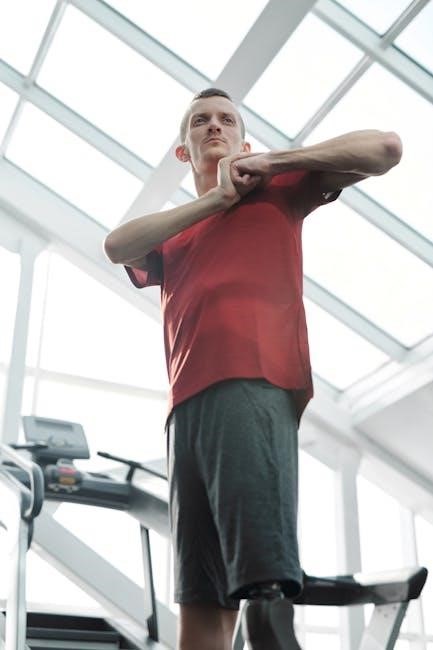
While some electric treadmills boast advanced features, a manual treadmill provides a highly effective workout at a fraction of the price, proving to be a financially smart choice․
Environmentally Friendly Operation
Manual treadmills stand out as an eco-conscious fitness choice, offering a workout without contributing to electricity consumption․ Unlike electric models, they require no power to operate, eliminating the carbon footprint associated with energy generation․
This makes them a sustainable option for environmentally aware individuals seeking to minimize their impact․ By choosing a manual treadmill, users actively reduce their reliance on fossil fuels and contribute to a greener lifestyle․ The absence of electronic components also translates to less electronic waste at the end of the treadmill’s lifespan․
For those prioritizing sustainability alongside fitness, a manual treadmill presents a responsible and effective solution․

Manual vs․ Electric Treadmills: A Detailed Comparison
Comparing manual and electric treadmills reveals key differences in power, control, muscle engagement, noise, maintenance, cost, and overall workout experience․
Power Source and Energy Consumption
Manual treadmills fundamentally differ from their electric counterparts in their power source․ Electric treadmills require a consistent electrical supply to drive the belt, leading to energy consumption and potentially higher electricity bills․ Conversely, manual treadmills are entirely human-powered; the user’s own effort dictates the belt’s movement․
This self-propelled nature eliminates electricity usage, making them an environmentally friendly option․ The absence of a motor also translates to zero standby power drain, a common issue with electric models․ While electric treadmills offer convenience through automated speed and incline adjustments, manual treadmills place the control directly in the hands – and legs – of the user, fostering a more natural and engaged running experience․ This direct power application also contributes to increased calorie burn․
Speed and Incline Control Mechanisms
Manual treadmills offer a distinctly different approach to speed and incline control compared to electric models․ Electric treadmills boast digital consoles for precise adjustments, but manual treadmills rely on the user’s physical effort․ Speed is directly proportional to the pace at which you walk or run – faster leg movement equates to a faster belt speed․
Incline adjustments are typically achieved through a manual lever or pin system, allowing users to select from a range of pre-set incline levels․ Some models offer more granular adjustments than others․ This manual control demands greater user engagement and strengthens the muscles responsible for propulsion․ While lacking the automation of electric treadmills, this system provides a more intuitive and challenging workout, fostering a stronger mind-muscle connection․
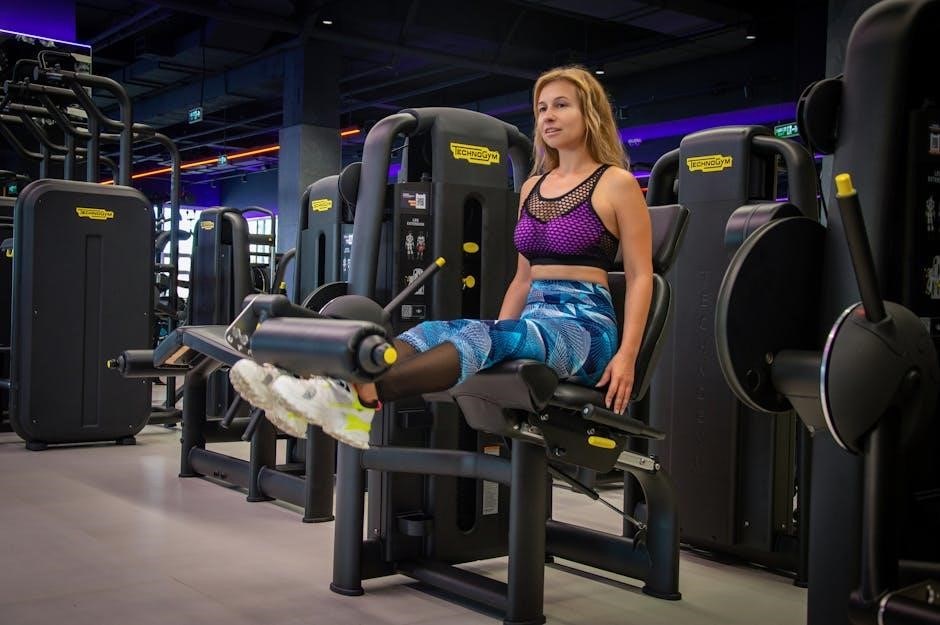
Impact on Muscle Activation
Manual treadmills significantly differ from electric versions in how they activate muscle groups․ Because the user powers the belt, there’s increased engagement of the posterior chain – glutes, hamstrings, and calves – compared to electric treadmills where the motor assists․ This heightened activation stems from the need to actively drive the belt with each stride․
Furthermore, core muscles are recruited more intensely to maintain stability and proper form․ The absence of a motorized belt also necessitates greater effort from the hip flexors and quads․ This results in a more comprehensive lower body workout and contributes to improved functional strength․ Manual treadmills effectively transform a cardio session into a full-body strength training exercise, enhancing overall muscle development․
Noise Levels: Manual vs․ Electric
Generally, manual treadmills operate more quietly than their electric counterparts․ Electric treadmills contain a motor, which inevitably generates noise during operation․ This motor noise can range from a hum to a noticeable whir, potentially disrupting household members or neighbors․
Manual treadmills, lacking a motor, primarily produce sound from the friction of the belt and the impact of footsteps․ While not entirely silent, this noise is typically less intrusive․ However, it’s important to note that cheaper manual models may generate more noise due to lower-quality components․ The quality of the belt and frame construction significantly influences the overall sound level․ A well-built manual treadmill offers a quieter workout experience․
Maintenance Requirements
Manual treadmills generally require less maintenance than electric models, primarily due to the absence of a motor and complex electronic components․ Electric treadmills necessitate regular motor lubrication, belt alignment, and potential board replacements․ Manual treadmills simplify this process considerably․
The main maintenance tasks for a manual treadmill involve periodic belt lubrication to reduce friction and ensure smooth operation․ Checking and tightening bolts and screws is also crucial to maintain structural integrity․ Regular cleaning to remove dust and debris will prolong the treadmill’s lifespan․ While some components may eventually wear out, the overall maintenance demands are significantly lower, translating to cost savings and convenience for the user․
Price Range and Long-Term Costs
Manual treadmills typically have a lower upfront cost compared to their electric counterparts․ Entry-level models can be found starting around $300, while more robust and feature-rich options range from $600 to $1500․ Electric treadmills often begin around $800 and can easily exceed $3000 for high-end models․
However, long-term costs should also be considered․ The absence of a motor in manual treadmills translates to significant energy savings, eliminating electricity bills associated with operation․ Furthermore, reduced maintenance requirements – fewer parts to repair or replace – contribute to lower ongoing expenses․ While electric treadmills may offer convenience, the initial savings and reduced running costs of a manual treadmill make it a financially attractive option for many users․

Choosing the Right Manual Treadmill
Selecting a manual treadmill requires careful consideration of features like frame durability, belt quality, and weight capacity to ensure a safe, effective workout․
Key Features to Consider
When selecting a manual treadmill, several key features significantly impact your workout experience․ Prioritize a robust frame construction built to withstand consistent use and user weight․ Belt quality and size are crucial; a wider, longer belt provides a more comfortable and natural stride․ While many manual treadmills lack extensive consoles, consider models with basic displays for tracking time, distance, and estimated calories burned․
Weight capacity is paramount – ensure the treadmill can safely accommodate your weight․ User height also dictates the necessary belt length․ Finally, assess space requirements; manual treadmills are often more compact and portable than electric versions, but still need adequate room for operation and storage․ Don’t overlook the importance of adjustable incline settings for varied workouts․
Frame Construction and Durability

A manual treadmill’s frame is its foundation, directly impacting its stability and longevity․ Look for frames constructed from heavy-gauge steel, signifying robust build quality․ Welding quality is also critical; smooth, consistent welds indicate a durable and reliable structure․ Consider the frame’s design – a lower center of gravity enhances stability during intense workouts․
Durability is paramount, as manual treadmills rely on your power, placing stress on the frame․ Check user reviews for reports of creaking, wobbling, or cracking․ A well-built frame will minimize noise and provide a secure running surface․ Higher-quality frames often come with extended warranties, offering peace of mind and demonstrating the manufacturer’s confidence in their product․
Belt Quality and Size
The running belt is crucial for a comfortable and effective manual treadmill experience․ Look for multi-ply belts, as they offer superior durability and resistance to stretching or tearing compared to single-ply options․ Belt thickness also matters; a thicker belt generally provides better cushioning and shock absorption․
Belt size significantly impacts your stride length and running comfort․ A longer and wider belt is preferable, especially for taller users or those with a longer stride․ Standard sizes range from 55” to 60” in length and 20” to 22” in width․ Consider your running style and height when selecting a belt size․ A high-quality belt will contribute to a smoother, quieter, and more enjoyable workout․
Console Features (if any)
Manual treadmills often prioritize simplicity, meaning consoles are typically more basic than those found on electric models․ However, some offer essential features like a display showing speed, distance, time, and estimated calories burned․ These consoles usually don’t require external power, operating instead through the user’s movement․
More advanced consoles might include heart rate monitoring (via hand grips), pre-set workout programs, or Bluetooth connectivity for data tracking․ However, remember that the core appeal of a manual treadmill is its self-powered nature․ Don’t expect the extensive features of a motorized treadmill․ A basic console provides useful feedback without adding unnecessary complexity or cost․
Weight Capacity and User Height
Selecting a manual treadmill with an appropriate weight capacity is crucial for safety and durability․ Manufacturers specify a maximum user weight, typically ranging from 200 to 400 pounds, though some heavy-duty models can accommodate more․ Exceeding this limit can damage the treadmill and void the warranty․
User height is also a key consideration, as it impacts stride length and overall comfort․ Most manual treadmills cater to users between 5’2” and 6’2”․ Taller individuals may require a longer belt to ensure a full, natural stride․ Always check the manufacturer’s specifications to confirm the treadmill is suitable for your height and weight before purchasing․
Space Requirements and Portability
Manual treadmills generally require less space than their electric counterparts, making them suitable for smaller homes or apartments․ However, they still demand a dedicated area for safe and effective use․ Consider a space at least 6 feet long and 2․5 feet wide to allow for comfortable movement during workouts․
Portability is a significant advantage of many manual treadmills․ Some models are foldable or feature transport wheels, enabling easy storage under a bed or in a closet․ This is ideal for those with limited space or who prefer to move their treadmill between rooms․ Before purchasing, assess your storage options and choose a model that fits your needs․

Workout Tips for Manual Treadmills
Prioritize proper form, engage your core, and maintain a natural stride to maximize efficiency and prevent injuries during your manual treadmill sessions․
Proper Form and Technique
Maintaining correct form is paramount when utilizing a manual treadmill, as you are the engine driving the belt․ Avoid leaning excessively forward from the waist; instead, focus on a slight incline from the ankles, engaging your core for stability․ Keep your shoulders relaxed and back, and your gaze forward, not down at your feet․
Your arms should swing naturally, bent at approximately 90 degrees, driving forward and back – not across your body․ A shorter, quicker stride is generally more efficient than long, overreaching steps․ Think about ‘pushing’ the belt backwards with each footfall, rather than simply lifting your legs․
Avoid bouncing or slapping your feet onto the belt; aim for a smooth, controlled foot strike․ Listen to your body and adjust your pace accordingly․ Proper technique not only enhances workout effectiveness but also minimizes the risk of strain or injury․
Warm-up and Cool-down Routines
Prioritize a dynamic warm-up before each manual treadmill session․ Begin with 5-10 minutes of light cardio, such as marching in place or high knees, followed by dynamic stretches like leg swings, arm circles, and torso twists․ This prepares your muscles and joints for the exertion ahead, reducing injury risk․
Gradually increase your speed and incline during the initial phase of your workout, easing into your target intensity․ After your run, dedicate 5-10 minutes to a cool-down․ Slow your pace to a walk, then perform static stretches, holding each stretch for 20-30 seconds․
Focus on stretching your calves, hamstrings, quads, and hip flexors․ A proper cool-down aids in muscle recovery, reduces soreness, and helps prevent post-exercise dizziness․ Don’t skip these crucial steps!
Interval Training on a Manual Treadmill
Interval training is exceptionally effective on a manual treadmill, boosting cardiovascular fitness and calorie burn․ Alternate between high-intensity bursts and recovery periods․ For example, sprint at a challenging pace for 30-60 seconds, then walk or lightly jog for 60-90 seconds to recover․ Repeat this cycle 8-12 times․
Because you control the speed, intervals require significant effort․ Focus on maintaining good form during high-intensity intervals․ Vary the duration and intensity of your intervals to continually challenge your body․ Consider incorporating incline variations during intervals for added difficulty․
Listen to your body and adjust the intervals as needed․ Interval training is a powerful tool for improving endurance and achieving fitness goals on a manual treadmill․
Hill Workouts and Incline Adjustments
Manual treadmills excel at simulating hill workouts, enhancing strength and cardiovascular demand․ Increasing the incline significantly elevates the challenge, engaging glutes, hamstrings, and calves more intensely․ Begin with a moderate incline and gradually increase it as your fitness improves․
Walk or jog at a consistent pace with the incline engaged․ For interval-style hill work, alternate between periods of high incline and flat running or walking․ This mimics natural terrain variations and builds lower body power․ Remember, you are providing the power, so incline adjustments demand greater effort․
Focus on maintaining proper form – a slight lean into the incline can help․ Hill workouts on a manual treadmill are a fantastic way to build endurance and sculpt your legs․
Monitoring Your Heart Rate
Tracking your heart rate during manual treadmill workouts is crucial for optimizing intensity and ensuring safety․ Unlike electric models, manual treadmills often lack integrated heart rate sensors, necessitating the use of external devices like chest straps or fitness trackers․
Establish your target heart rate zone based on your age and fitness level․ Maintaining a heart rate within this zone maximizes calorie burn and cardiovascular benefits․ Regularly check your heart rate throughout your workout, adjusting your speed or incline as needed․
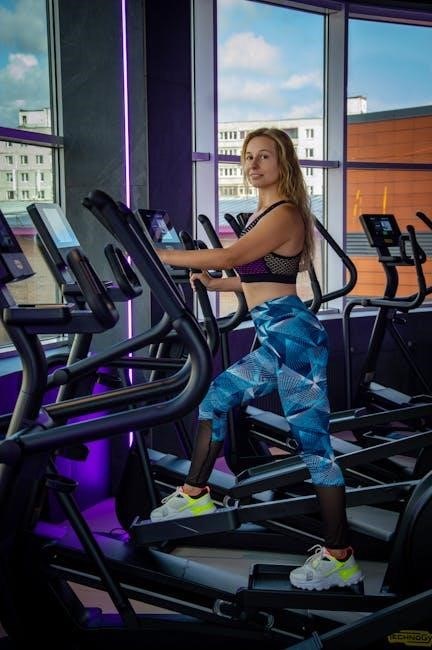
Pay attention to your body’s signals; fatigue or shortness of breath indicate you may need to slow down․ Consistent heart rate monitoring allows for personalized training and prevents overexertion, leading to a more effective and enjoyable workout experience․

Safety Considerations
Prioritize safety with proper footwear, avoiding overexertion, and utilizing emergency stop mechanisms when engaging in manual treadmill workouts for optimal well-being․
Emergency Stop Mechanisms
Crucially, manual treadmills, while generally safer due to their self-powered nature, still require attention to emergency stopping procedures․ Unlike electric models with readily accessible stop buttons, manual treadmills rely more on the user’s ability to quickly decelerate or step off the belt․ However, many newer manual treadmills are incorporating safety features like strategically placed handrails that can be gripped to bring the belt to a halt․
Understanding how to rapidly slow or stop the belt is paramount before commencing any workout․ Familiarize yourself with the specific mechanism of your treadmill – whether it’s through handrail pressure or simply utilizing your body weight to resist the belt’s motion․ Always maintain a firm grip on the handrails, especially during higher-intensity intervals, to ensure immediate control in case of an unexpected loss of balance or need to stop abruptly․ Prioritizing this knowledge enhances safety during each session․
Proper Footwear
Selecting appropriate footwear is paramount when utilizing a manual treadmill, significantly impacting both performance and injury prevention․ Unlike motorized treadmills which offer some belt give, manual treadmills often present a firmer running surface, demanding greater cushioning from your shoes․ Opt for running shoes designed for road running or cross-training, prioritizing models with ample shock absorption in the heel and forefoot․
Avoid wearing shoes with excessively worn treads or minimal support, as these can exacerbate impact forces․ Consider your foot type – neutral, pronated, or supinated – and choose shoes that provide appropriate stability and motion control․ Properly fitted shoes will enhance comfort, reduce strain on joints, and allow for a more efficient and enjoyable workout experience on your manual treadmill․ Regularly inspect your shoes for wear and tear, replacing them as needed․
Avoiding Overexertion
Manual treadmills demand a mindful approach to exertion, as the user controls the pace entirely, potentially leading to rapid fatigue․ Begin with shorter workout durations and lower intensities, gradually increasing both as your fitness level improves․ Listen attentively to your body, recognizing signals of overexertion such as excessive shortness of breath, dizziness, or muscle cramping․
Avoid the temptation to match the speeds you’re accustomed to on motorized treadmills initially․ Focus on maintaining proper form throughout your workout, as fatigue can compromise technique and increase injury risk․ Incorporate regular walk breaks to allow for recovery, and prioritize adequate hydration before, during, and after exercise․ Remember, consistency and gradual progression are key to maximizing benefits and preventing strain․
Leave a Reply
You must be logged in to post a comment.